
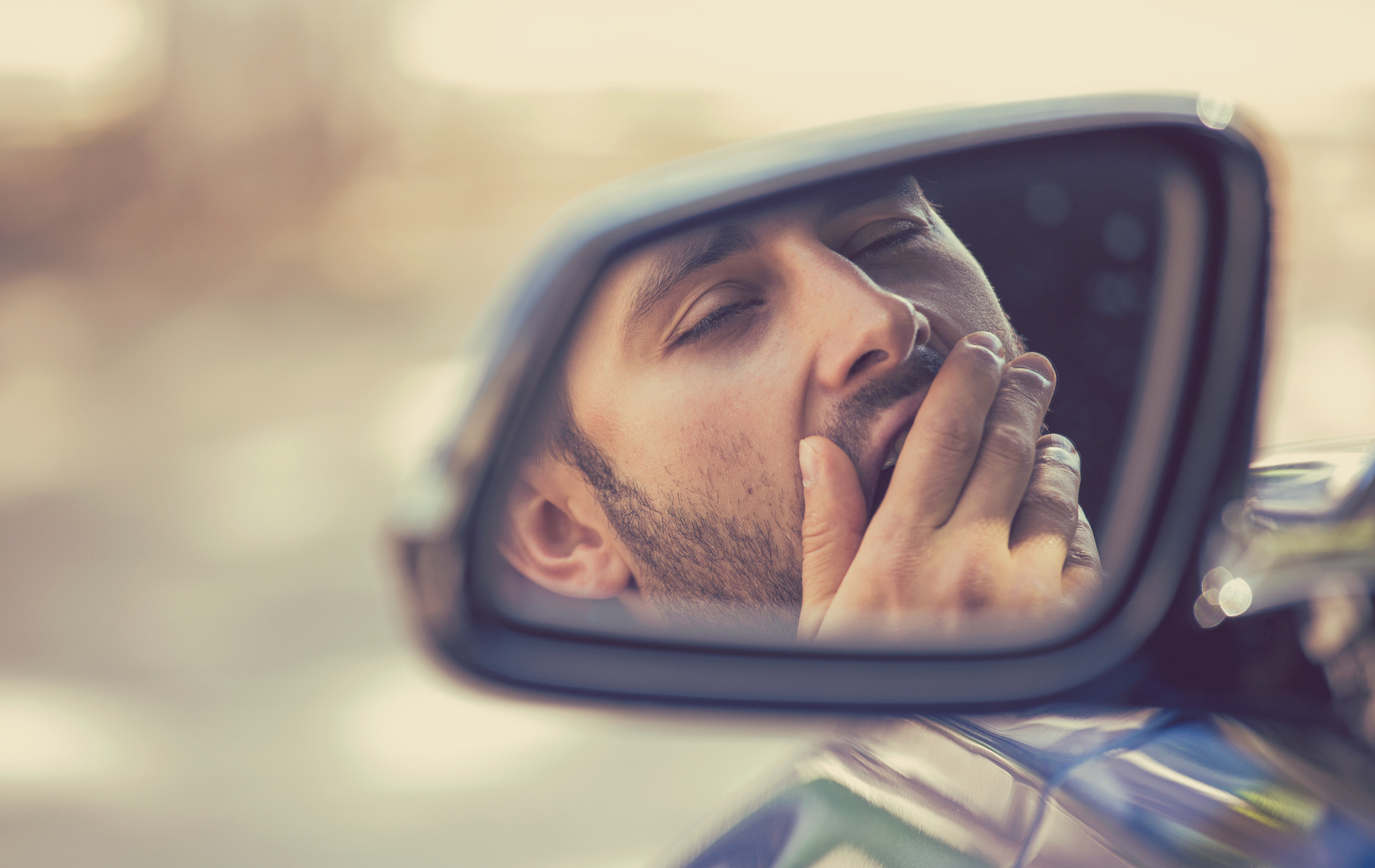
Your Sleep-Deprived Brain Is Packing on the Pounds
Losing Sleep? You May Also Be Losing Less Weight
That lack of sleep does more than make you feel groggy and foggy headed. It packs on the pounds too.
When you get too little sleep, your brain and hormones nag you to eat more—and even to eat junk food instead of healthier choices. Losing just a half-hour’s sleep can slow weight loss or even make you gain.
Here’s what we know
Even after a single night of sleep deprivation, the part of the brain that makes food choices steers you toward high-calorie foods like candy and potato chips.
Meanwhile, that late night weakens the brain’s frontal cortex, the logical part of your brain that weighs the consequences of your choices. It’s that much harder to say no.
Your sleep-deprived brain made you do it. You eat more and more of the ‘bad’ stuff.
What goes wrong
We’re a victim of our hormones.
One hormone, ghrelin, tells you it’s time to eat. Your body produces more of it when you’ve underslept. Ghrelin’s opponent is leptin, which tells you it’s time to stop eating; you have less of it after not enough shut-eye.
Got that? More ghrelin: Let’s eat some more! Less leptin: Keep eating, you’re not done yet!
Research shows us the effects. In one study, when people were sleep-deprived, they ate an average of 300 more calories a day. In another, they gained 2 pounds more per week than those who got the recommended 7-8 hours of sleep.
Then there’s the stress hormone cortisol. It goes into overtime when you haven’t had enough sleep, making you hungrier than usual. Not just hungry, but hungry for bad-for-you foods.
Oh, and did I mention that your metabolism slows down when you haven’t had enough sleep? Your body burns off less of the food you eat. Long-term lack of sleep and stress may send your body into “survival mode,” hoarding your energy for later just in case you don’t get to eat again for a while.
Skimping on sleep also makes your blood sugar rise, a particular problem if you have diabetes.
Getting tired reading this? Great!
If I’ve put you to sleep, I’ve done a good day’s work. But if you’re still revved up, you need to start prepping your body for sleep earlier. Turn down the brain. Get all your worrying out of the way before your head hits the pillow. And one of the best things you can do is put down that the device you’re using to read this. And good night.
For a free consultation and to learn how we can help you reach your health goals, fill out the contact form here.
1 comment
Great article!