
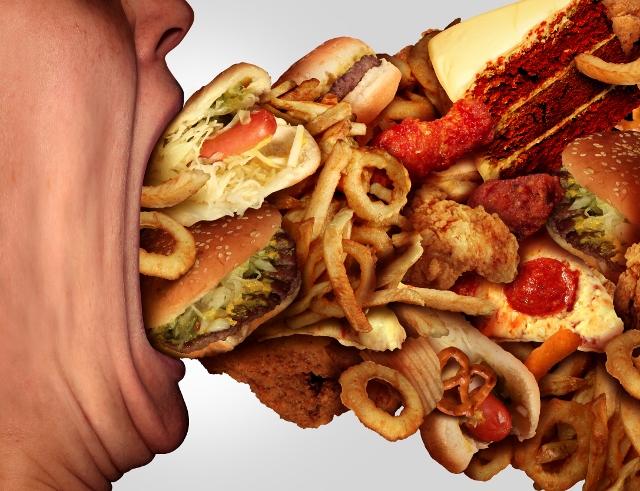
You’re here, so my guess is you’ve tried repeatedly to lose weight, only to gain it back. You’re probably wondering what you’re missing. So what is it?! Emotional eating!
You’re on a good health path and then, BAM! From out of nowhere, it strikes. That helpless feeling when you can think of nothing else. You have to satisfy that craving. Followed by stuffing yourself with far more calories than your body needs. Once again, you’ve sabotaged your health and weight loss.
Where the heck did this come from? Stress, anger, sadness, frustration … and the emotional list goes on. Cravings are an expression of your emotions. Now that you know the culprit, you can focus on kicking the cravings to the curb by teaching your mind and body new habits.
In my experience partnering with many people on their health journey, emotions have a lot of power over our health choices. But many people who struggle with weight loss don’t make the connection. In a national survey of more than 1000 people who were asked what they considered to be the biggest barrier to weight loss, only about 10% named emotion-related factors, while 31% said lack of exercise, 26% said it was “what you eat,” 17% blamed the cost of a healthy lifestyle, and 12% cited the time commitment to a program.
While many people “think” it’s cost, time, or whatever, in the end it’s our emotions for many (probably most) of us.
What is emotional eating?
We’re conditioned from childhood to comfort ourselves with food. I’m sure you remember being given candy or ice cream or being taken out for fast food or pizza when something upset you or made you cry. It worked, right? You enjoyed it and felt better fast. But sometimes it can work too well.
Now, you’ve developed the habit of going directly to food (usually “comfort” food—high-carbohydrate, high-calorie, low-nutrition goodies and filling up yourself when you’re feeling upset, sad, or worried. That’s emotional eating, also called stress eating or unconscious eating.
Negative emotions lead to cravings and ultimately overeating if we don’t learn new ways that better serve us.
What are cravings?
A craving is an intense desire for a specific food, typically from “junk” foods and processed foods full of fat, sugar, and salt (such as potato chips, pizza, cake, ice cream, or candy). Food cravings can be scary, too, making you feel as if you’re seeking an addictive “fix.”
Cravings can make you feel out of control. You’re so intensely and compulsively driven to eat that food, you can’t think of anything else until you do.
Your cravings are not due to lack of self-control or self-discipline! Blaming yourself for having them only adds to your emotional distress and increases their power to throw you off your health or weight loss journey.
Spot the connection & partner up
Cravings can make you feel helpless to resist them, but you aren’t. Yes, you learned as a youngster to eat for pleasure and comfort, went on to discover it also worked if you were upset, and now are stuck in the habit of overeating when you’re under emotional stress. You learned how to do that. So why can’t you learn another way?
First, recognize when stress or negative emotions like anxiety or sadness rear their ugly head. This is a biggie. If your emotions trigger uncontrollable “food-fix” cravings, get help. Support groups for overeaters or compulsive/binge eating, health professionals, or whatever feels like a good fit for you.
Trust me, you’re not alone. As part of our health coaching program, we have a secret site full of thousands of people on this health and weight loss journey together, many who are also working on conquering emotional eating. It’s a common problem and you don’t want to go it alone. If you ever want to crack it, you need help. Shame or guilt has no place here. Do whatever will help you move forward in taking back control.
Your anti-cravings “battle plan”
So what can you do when a craving attacks? Plan for steps you can take to try to head it off.
I know, that sounds too easy, and I also know it isn’t! But you will succeed sometimes. And those successes will add up, strengthening your defenses against emotional eating.
- Create single-sentence sayings that reflect the major stress triggers in your life—“If I encounter Stress Situation A, I will immediately do Behavior B.” For example, “If I have another fight with Mary, I’ll excuse myself quickly and go for a walk to wind down.”
- Don’t allow yourself to get hungry or dehydrated during the day—both can trigger cravings. Drinking a glass or two of water can sometimes stop a craving before it can take hold.
- Concentrate on seeing what you eat as fuel for your body rather than reward—remember, good nutrition nourishes all of you!
- Have chewing gum on hand and pop some in your mouth at the first sign of a craving—the repetitive movement can help keep you calm.
- Do deep breathing exercises. It’s like mini-meditation that you can do anytime, anywhere. This technique is one of the simplest things you can do to bring down levels of the stress hormone cortisol. Check out one of the many online resources or apps that will walk you through it. You will feel the physiologic changes happening in your body, bringing down the stress levels in your mind.
Be mindful of what’s going on upstairs in your head. What’s fueling your cravings and temptations? Being aware is an important step towards not sabotaging your weight loss efforts when a craving pops up.
And it’s worth repeating … don’t go it alone! Why would you want to when you know there are so many others out there working through the same thing? You don’t have all the answers. Your chances of success are FAR greater with a community. Don’t set yourself up for failure with an “I can do this on my own” approach. And who knows … you may help others along the way by sharing your story. And it’s far better to celebrate your successes together!
To learn how we can help you reach your health goals, fill out the contact form here.